by nina | Mar 8, 2018 | Africa, Part of RANDOM POSTS - Yes, Water Futures
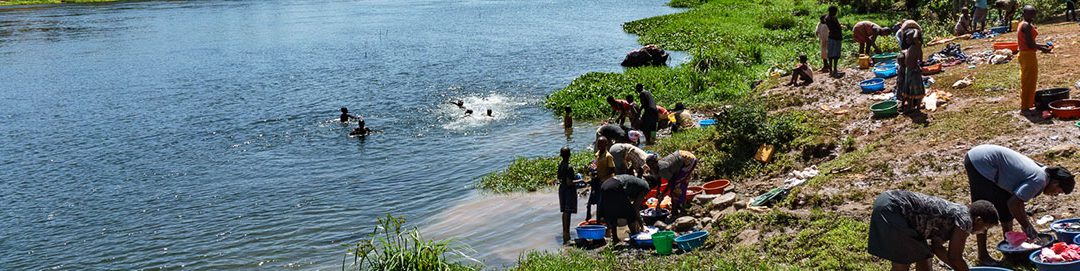
The IIASA Water Futures and Solutions Initiative seeks to incorporate science into water policy and planning, and applied water management issues. Set up as an interdisciplinary scientific initiative, the project identifies and tests solution pathways across different...

by nina | Mar 8, 2018 | Air Quality and Greenhouse Gases, Americas, Part of RANDOM POSTS - Yes
A new study from the IIASA Air Quality and Greenhouse Gases Program, which for the first time takes into account different production management systems and geological conditions around the world, shows that global methane and ethane emissions from oil production...

by nina | Mar 8, 2018 | Air Quality and Greenhouse Gases, Building a sustainable future, Global, Part of RANDOM POSTS - Yes
Research shows that reducing the emissions of short-lived climate pollutants (SLCPs) will play an important role in meeting the 2°C target of the Paris Agreement. Although these emissions will be partially reduced as a consequence of carbon dioxide (CO2) mitigation,...
by nina | Feb 28, 2018 | Asia, Part of RANDOM POSTS - Yes, Risk and resilience
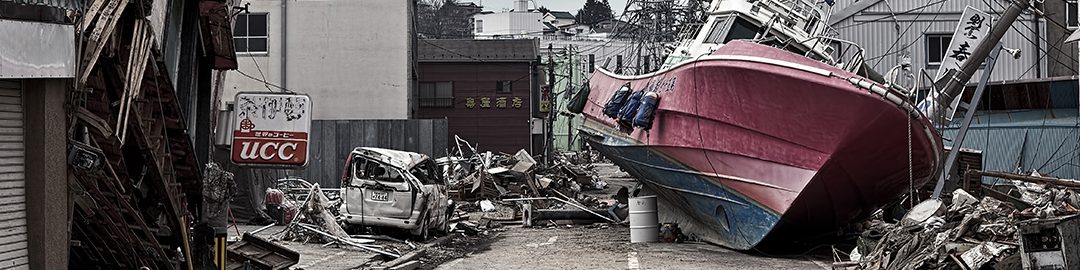
The failure to foresee the catastrophic earthquake, tsunami, and nuclear accident of 2011 was seen by many as a fundamental shortcoming of disaster risk science in Japan. In light of this, the use of scientific knowledge came under renewed scrutiny. Debates continue...

by nina | Feb 28, 2018 | Oceania, Part of RANDOM POSTS - Yes, Risk and resilience
Simultaneous crop losses in different parts of the world can pose a serious risk to global food security. However, little is currently known about the spatial dependency of crop yield losses between global breadbaskets. In a recent study, IIASA researchers focused on...

by nina | Feb 21, 2018 | Eurasian, Europe, Part of RANDOM POSTS - Yes
Towards the end of 2017, young researchers, senior experts, and high-level policymakers had the opportunity to engage in vibrant discussions on possible futures for the greater Eurasian space in 2040, and the potential of youth to contribute to economic cooperation...

Recent Comments